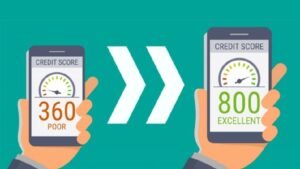
How you manage your credit cards can influence your credit score, borrowing costs and overall financial health.
Understand Your Credit Utilization
Higher reported balances relative to your credit limits can affect your score, even when you pay on time. Your
reported balance may differ from your current balance.
Know What You’re Paying

Which Amount Should You Pay?
$35
Minimum Payment
Satisfies the required payment, but interest may accrue on the unpaid balance.
$450
Statement Balance
Pay in full by the due date to avoid purchase interest when your grace period applies.
$600
Current Balance
Pays the entire currently posted balance, including recent purchases.
Hypothetical example assuming no payments, credits, interest or additional fees since the statement closed. Actual account terms vary by issuer.
You don’t need to carry interest-bearing debt to build credit.
Manage Your Accounts With Purpose
- Opening a Card: Compare fees, rates, and benefits. Apply only when it serves a financial need.
- Managing Multiple Cards: Maintain only what you can afford and manage responsibly.
- Keeping Cards Active: Occasional planned purchases may help prevent inactivity-related closure.
- Closing a Card: Consider the impact on available credit, annual fees, and spending habits.
Notice an Unexpected Score Change?
Credit score changes do not always indicate a reporting error.