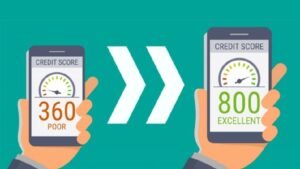
Understanding how FICO® Scores are calculated can help you focus on the information that matters rather than the number alone.
The Five FICO® Scoring Factors
35%
Payment History
How consistently you’ve paid your accounts, including the severity and recency of missed payments.
30%
Amounts Owed
Outstanding debt, reported balances, and revolving credit utilization.
15%
Length of Credit History
The age of your oldest, newest and average credit accounts.
10%
New Credit
Recent credit applications and newly established accounts.
10%
Credit Mix
Your experience managing different types of credit.
Source: FICO®. These percentages represent general category importance, not fixed point values. Individual profiles and scoring models
may differ
One Action Can Affect Multiple Factors.
Opening a credit card, for example, may influence more than just the new credit category.
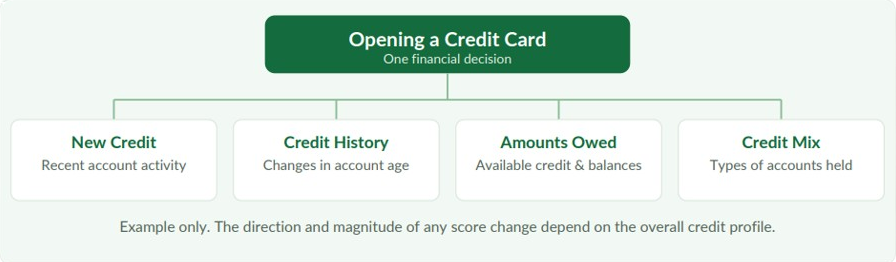
This is why two people making the same financial decision may experience different score changes.
35% ≠ 35 points
Payment history’s general weighting does not mean correcting a late payment will increase your score by 35 points
Credit score improvement depends on your complete credit profile. Avoid taking on unnecessary debt or making financial decisions solely to influence a scoring category.
Understand Changes in Context.
Credit scores can differ by bureau, scoring model and calculation date.
Specific score increases, financing approvals, interest rates and improvement timelines are not guaranteed.
Official FICO® Scoring Guide: myfico.com/credit-education/whats-in-your-credit-score
tps://www.myfico.com/credit-education/whats-in-your-credit-scor